From conflicts to co-benefits: integrating energy transition and sustainable fisheries

The European marine space is experiencing claims from different users. Bottom trawling faces restriction under the Biodiversity Strategy 2030; offshore wind expansion displaces fishing grounds under the REPowerEU plan; and the sector must decarbonise under the Green Deal, all while stocks may redistribute under climate change. These policies, individually rational, generate spatial trade-offs when implemented simultaneously, yet current assessment frameworks evaluate them in isolation.

Drawing on a decade of development of the DISPLACE individual-based spatial bio-economic model and its application across five European case studies (Baltic Sea, North Sea, Kattegat, Adriatic, Ionian Sea), we present an integrated framework to quantify these trade-offs. We demonstrate three key findings:

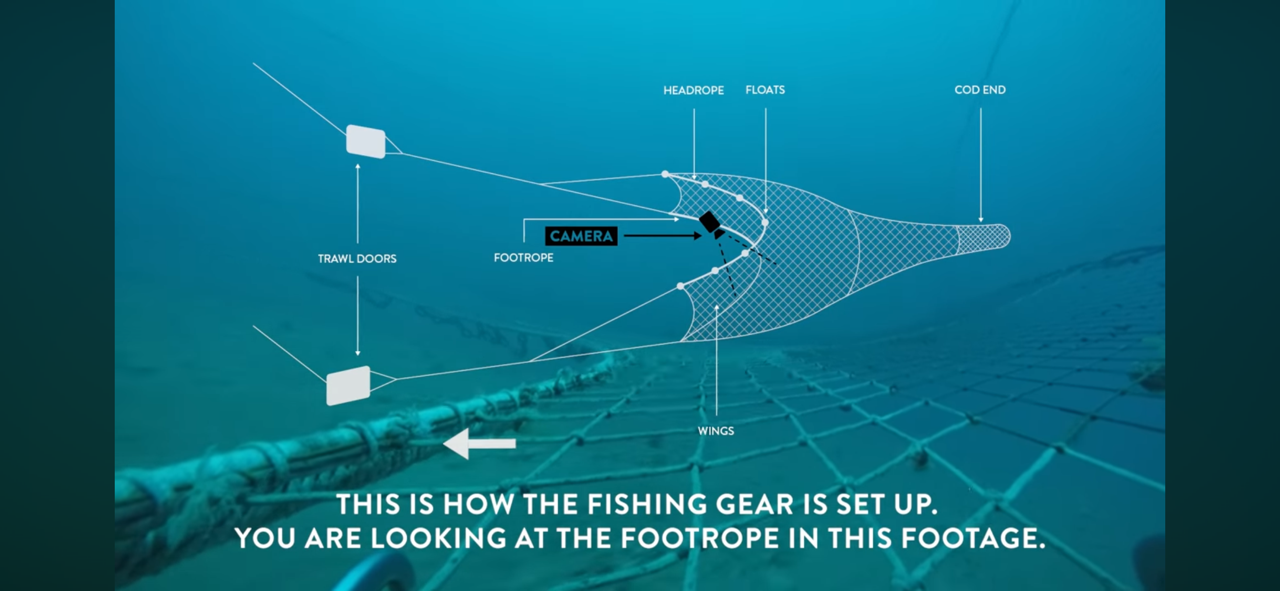
First, not all bottom trawling is equal; gear-specific seabed impact assessments (Eigaard et al. 2017; Rijnsdorp et al. 2020) show that differentiated restrictions outperform blanket closures in both ecological and economic terms.

Second, stock recovery is the most effective decarbonisation lever; rebuilding stocks may reduce fuel use intensity more than technological innovation alone (Bastardie et al. 2022), creating a virtuous cycle between biodiversity and climate objectives.

Third, spatial displacement from offshore wind and MPAs produces heterogeneous impacts; vessel-level modelling reveals that aggregate fleet indicators mask significant distributional effects, with small-scale coastal vessels disproportionately affected (Nielsen et al. 2026).

We argue that resolving the “spatial squeeze” requires moving from sequential to simultaneous policy assessment, in which climate, biodiversity, and energy objectives are evaluated within a single spatially explicit bio-economic framework. We propose operational pathways for implementing this approach within the ICES advisory process and the STECF evaluation framework, drawing on lessons from the SEAwise project and recent STECF evaluations of spatial management measures.

Details in:

Bastardie, F., Salvany, L., Cooper, A. M., & Carvalho, N. (2024). A roadmap to reduce the risk of overexploiting EU marine living resources in a changing ocean. Frontiers in Marine Science, 11, 1352500. https://doi.org/10.3389/fmars.2024.1352500

Bastardie, F., Hornborg, S., Ziegler, F., Gislason, H., & Eigaard, O. R. (2022). Reducing the Fuel Use Intensity of Fisheries: Through Efficient Fishing Techniques and Recovered Fish Stocks. Frontiers in Marine Science, 9, 817335. https://doi.org/10.3389/fmars.2022.817335

Bastardie, F., Feary, D. A., Brunel, T., Kell, L. T., Döring, R., Metz, S., Eigaard, O. R., Basurko, O. C., Bartolino, V., Bentley, J., Berges, B., Bossier, S., Brooks, M. E., Caballero, A., Citores, L., Daskalov, G., Depestele, J., Gabiña, G., Aranda, M., . . . Van Vlasselaer, J. (2022). Ten lessons on the resilience of the EU common fisheries policy towards climate change and fuel efficiency – A call for adaptive, flexible and well-informed fisheries management. Frontiers in Marine Science, 9, 947150. https://doi.org/10.3389/fmars.2022.947150

Bastardie, F., Astarloa, A., Binch, L., Bitetto, I., Damalas, D., Depestele, J., Hernvann, P. Y., Lehuta, S., Letschert, J., Maina, I., Mahévas, S., Papantoniou, G., Püts, M., Romagnoni, G., Spedicato, M. T., Sys, K., Tsikopoulou, I., Van Hoey, G., Zupa, W., . . . Rindorf, A. (2025). Anticipating how spatial fishing restrictions in EU waters perform to protect marine species, habitats, and dependent fisheries. Frontiers in Marine Science, 12, 1629180. https://doi.org/10.3389/fmars.2025.1629180

Eigaard, O. R., Bastardie, F., Hinzen, N. T., Buhl-Mortensen, L., Mortensen, P. B., Catarino, R., Dinesen, G. E., Egekvist, J., Fock, H., Geitner, K., Gerritsen, H., González, M. M., Jonsson, P., Kavadas, S., Laffargue, P., Lundy, M., Gonzalez-Mirelis, G., Nielsen, J. R., Papadopoulou, N., … Rijnsdorp, A. D. (2017). The footprint of bottom trawling in European waters: distribution, intensity, and seabed integrity. ICES Journal of Marine Science, 74(3), 847-865.

Nielsen, J. R., Olsen, J., Nielsen, A., Bastardie, F., & Egekvist, J. (2026). Retrospective analyses of offshore wind farm impacts on fisheries and benthic habitat interactions. Frontiers in Marine Science, 13, 1748431. https://doi.org/10.3389/fmars.2026.1748431

Rijnsdorp, A. D., Hiddink, J. G., Van Denderen, P. D., Hintzen, N. T., Eigaard, O. R., Valanko, S., Bastardie, F., Bolam, S. G., Boulcott, P., Egekvist, J., Garcia, C., Van Hoey, G., Jonsson, P., Laffargue, P., Nielsen, J. R., Piet, G. J., Sköld, M., & Van Kooten, T. (2020). Different bottom trawl fisheries have a differential impact on the status of the North Sea seafloor habitats. ICES Journal of Marine Science, 77(5), 1772-1786. https://doi.org/10.1093/icesjms/fsaa050

Working with DISPLACE toward identifying Carbon Free Transition Pathways from fuel‑intensive fleets to low-carbon Danish Fleets

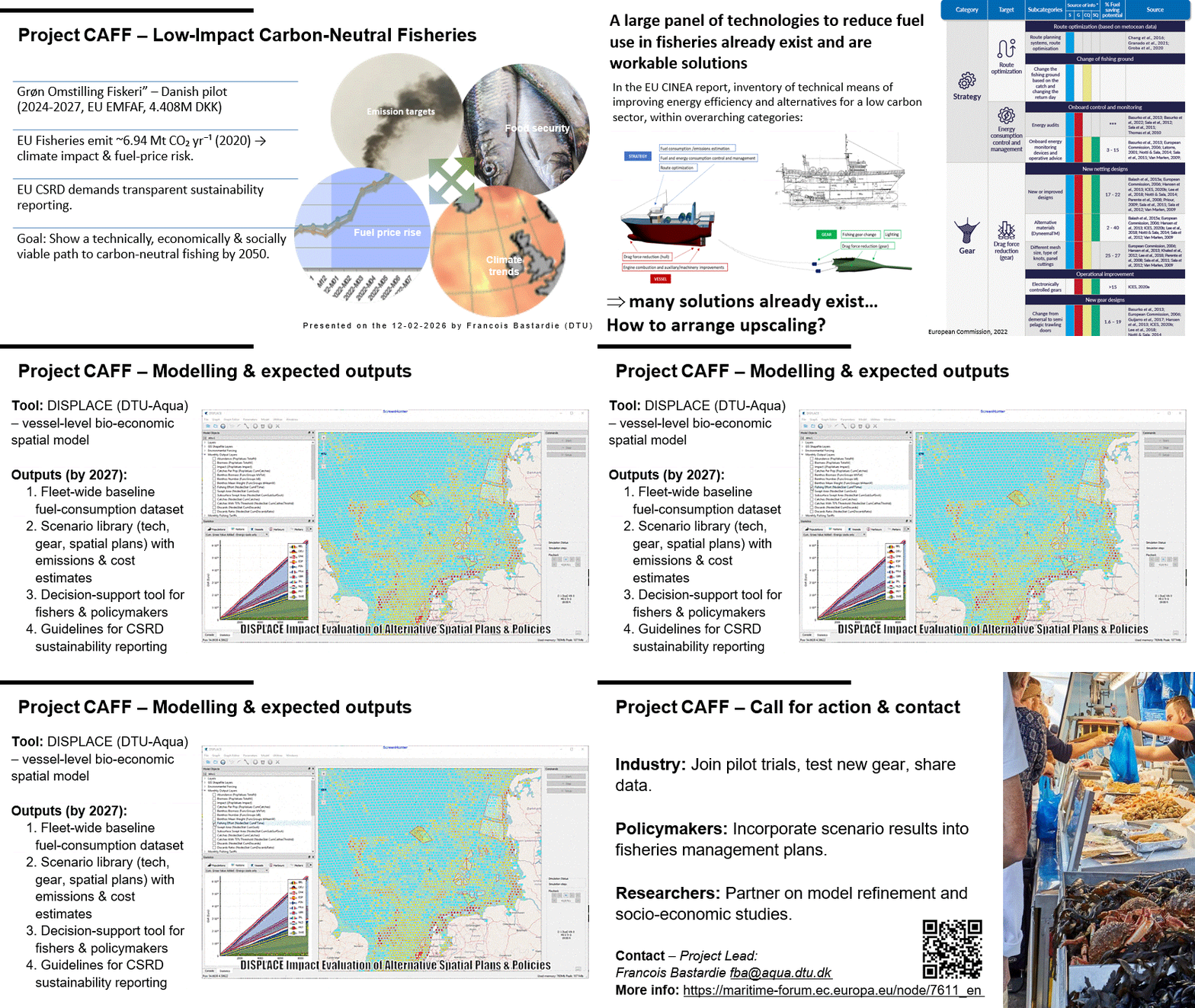
See the slideshow presenting the project here. We will soon incorporate scenario results into fisheries management plans for policymakers.

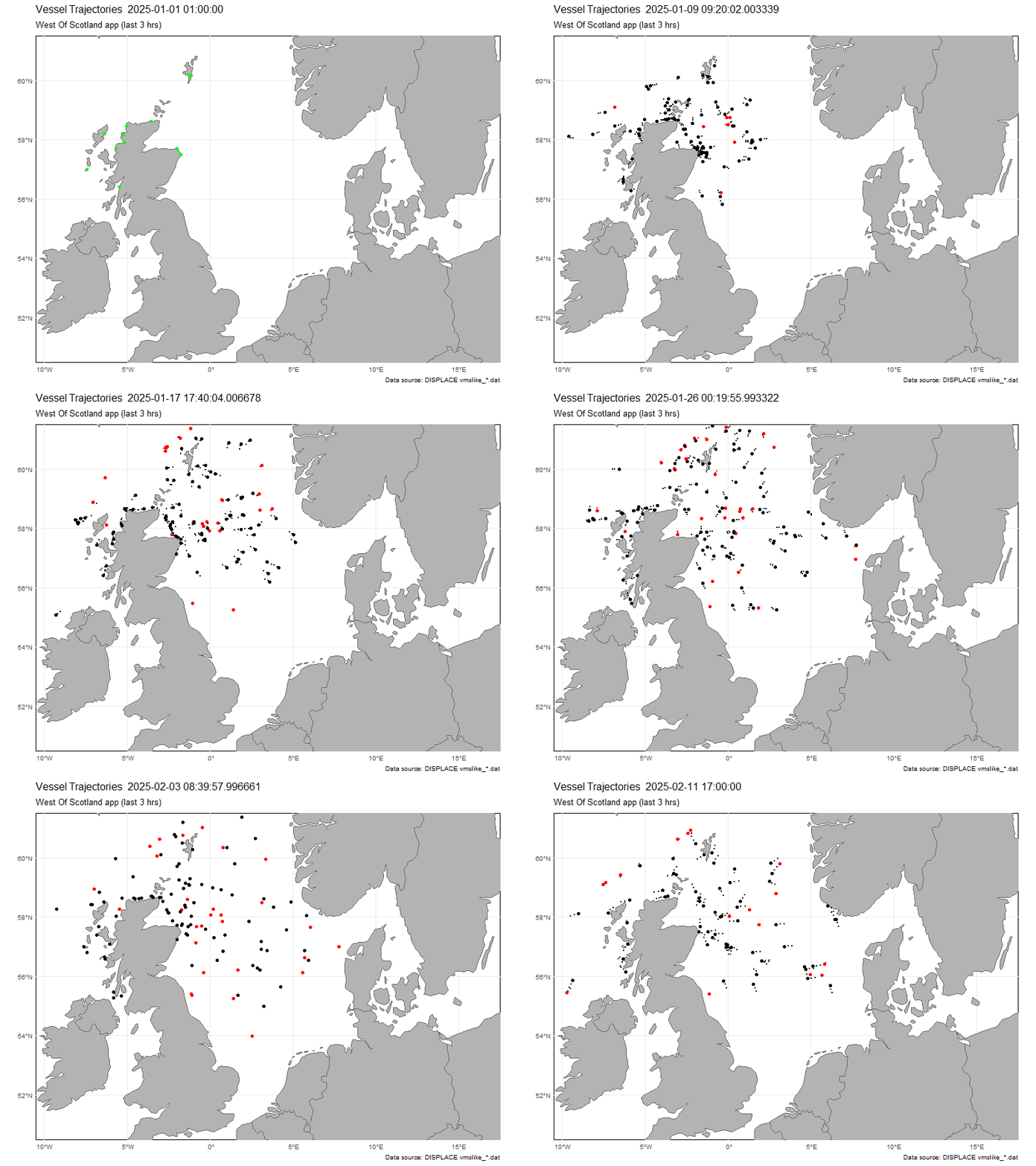
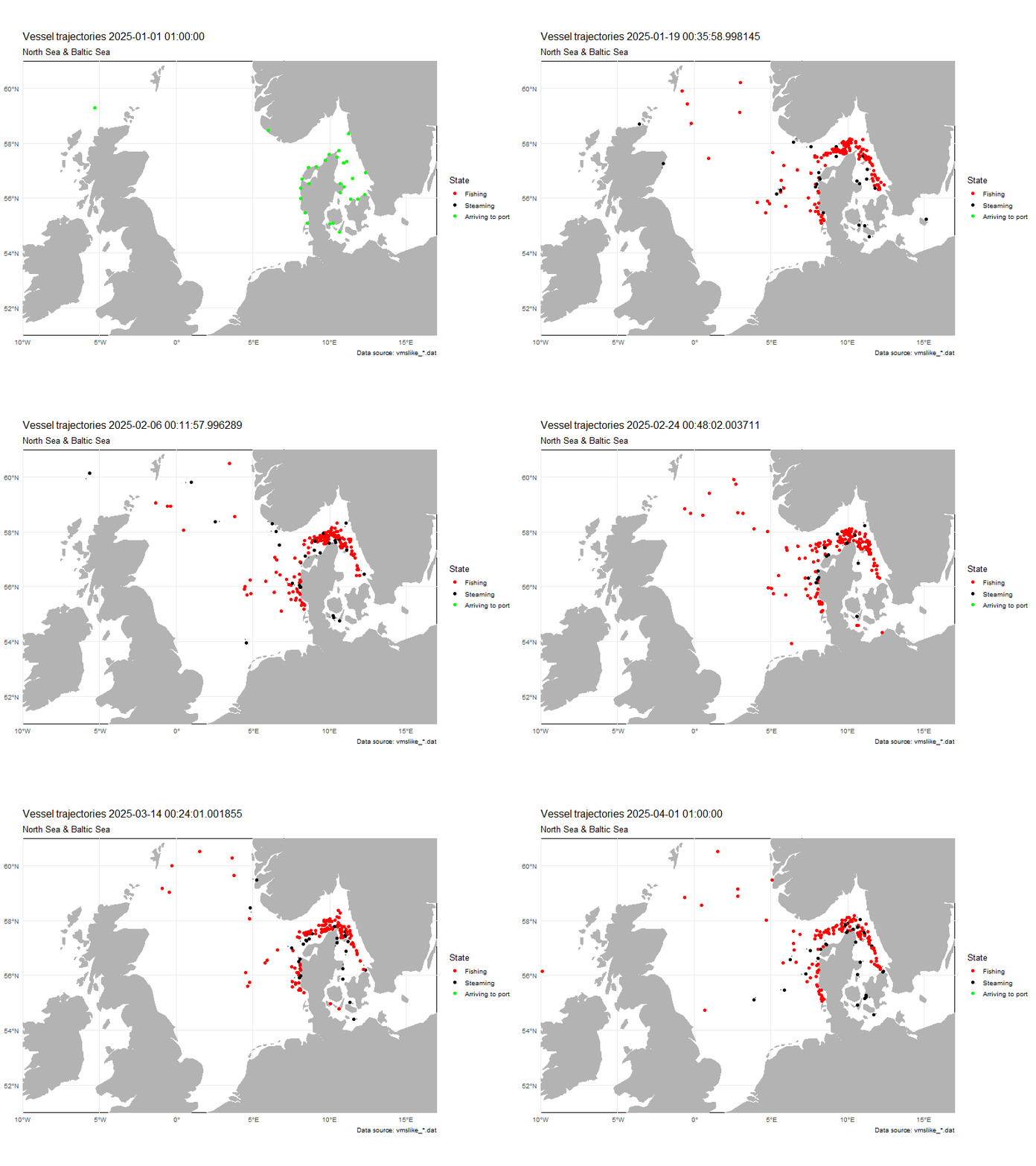
Preliminary outcomes now allow us to simulate the (2025) fishing activities of Danish vessels over 12 meters in length as they seek a good catch around Denmark on different resources. The following short animation presents the kind of first results we will get out of this simulation:

Disclaimer: This animation is a rough simulation provided for illustrative purposes and does not represent the vessels’ past activities.

Anticipating how spatial fishing restrictions in EU waters perform to protect marine species, habitats, and dependent fisheries

Marine Protected Areas (MPAs) can be an effective means of safeguarding key ecological features, provided they are strategically located. Conversely, if important habitats lie outside the designated zones, MPAs may become counter‑productive, especially when fishing effort is high and displaced effort forces fishing fleets work harder to remain viable.

This underscores the necessity of evaluating each situation individually. Moreover, certain technological innovations can inadvertently exacerbate impacts by reducing efficiency, as highlighted in a 2024 EP STOA study.

Viable solutions therefore involve three complementary actions to accompany any spatial restrictions: reducing overall fishing effort (both in days at sea and the number of licences issued) while simultaneously rebuilding stocks through more selective, low‑impact fishing practices; and concentrating activity within clearly defined permissible zones, leaving other areas off‑limits.

Over time, such an approach is likely to make fishing techniques using passive gears more economically attractive, encouraging their adoption in place of mobile, bottom‑contact gear within MPAs* and thereby enhancing both ecological outcomes and social acceptance.

(*though, excluding any activity from vulnerable marine ecosystems, VMEs, is likely unavoidable).

See a paper investigating such issues with modelling tools (published in Frontiers): https://www.frontiersin.org/journals/marine-science/articles/10.3389/fmars.2025.1629180/full

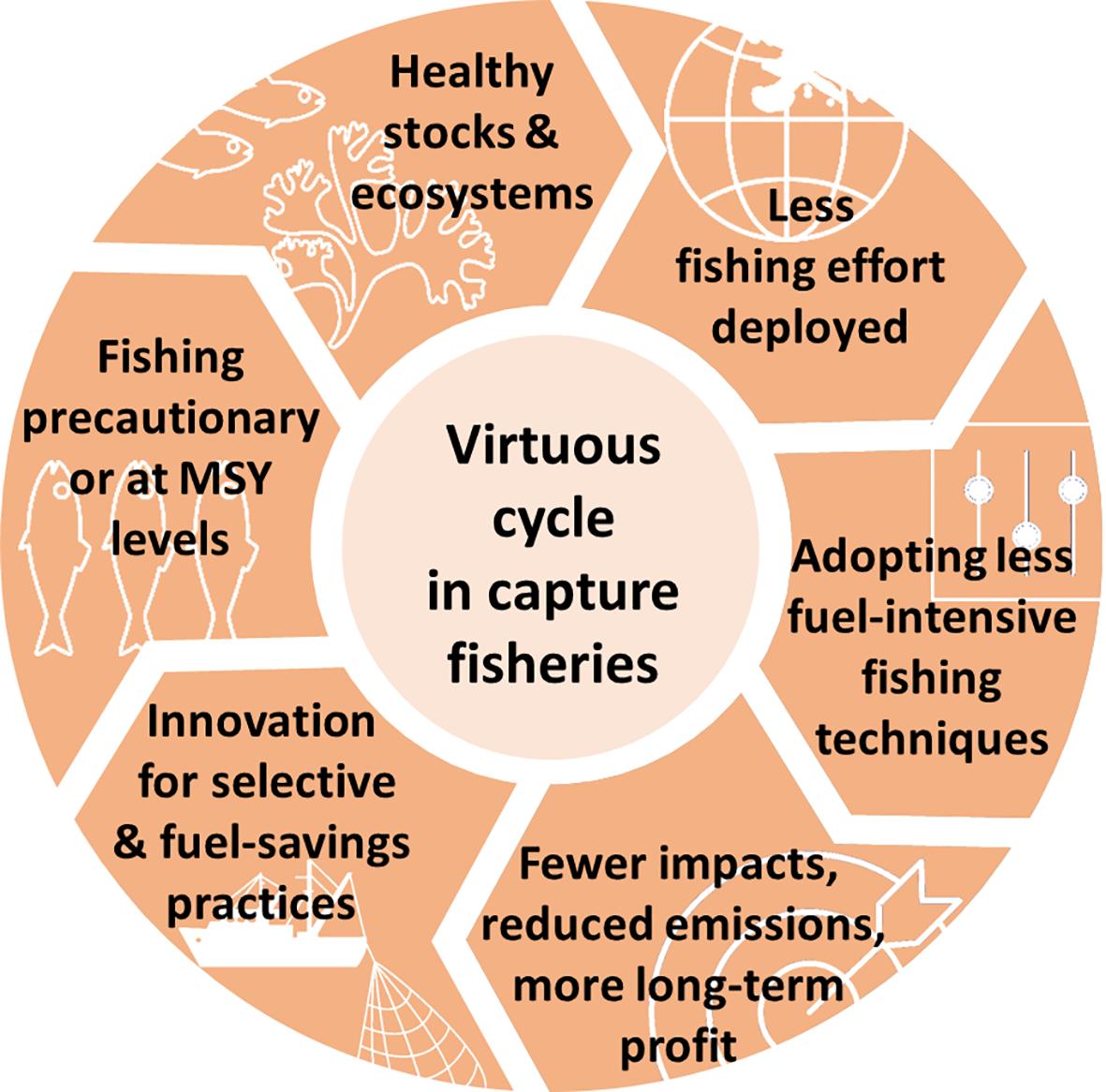
Engage the virtuous spiral in fisheries

Acting with imperfect information, fisheries policymakers and managers must try to balance tradeoffs of fisheries short-term productivity against long-term environmental, economic and social sustainability.

Alternatively, both environmental and fisheries policy strategies could engage a virtuous circle by bridging the historical divide between fisheries and nature agencies.

Hence, a long-term win-win situation could better emerge, and by propagating the change induced by the reduction of fishing impacts to other supportive marine ecosystem components (habitats, non-commercial marine species), the fisheries management could contribute to secure future fishing opportunities for the fishing fleets along with fulfilling the market demand for seafood and ensuring coherence in meeting national environmental targets.

Building on previous scientific works, we contributed to making this point more apparent in:

Bastardie, F., & Brown, E. J. (2021). Reverse the declining course: A risk assessment for marine and fisheries policy strategies in Europe from current knowledge synthesis. Marine Policy, 126, [104409]. https://doi.org/10.1016/j.marpol.2021.104409

You are welcome to ask for a free copy of the published article to fba at aqua.dtu.dk or find a preprint version here:

Fishery spatial plans in the Ionian Sea

Lessons learnt developed in https://doi.org/10.1016/j.ocecoaman.2020.105456 along with an HCMR-DTU-Aqua cooperation for a simulation study:

We study the cost-benefits of fisheries management options in Ionian Sea.

We use a dynamic spatial bio-economic model taking into account the fishing effort displacement effect.

An effort control benefits the stocks and the economy, but unwanted catch is higher along with the recovery of stocks.

Space-time closures and selectivity improvements slightly reduce the unwanted catch and can help mitigating the problem of unwanted catch.

Placing new aquaculture sites has not affected the profit of small-scale fishery.

Fisheries impact on the seafloor: a showcase in the Baltic Sea

Lessons learnt:
• Restricting fishing areas does not equate to reducing ecosystem impacts on benthic habitats.
• Displacing fishing efforts can offset the gains in partial habitat protection.
• The benthic status in Kattegat improves more than the benthic status in central Baltic when using spatial management measures.
• Largest improvement is achieved by protecting long-lived communities from high-impact fisheries.
• Healthy fish stocks reduce the risk to both the seafloor integrity and fishery economics.

see to see what happens when contracting for example 50% of the fishing effort extent on the core fishing areas, on a pdf presentation here from the HELCOM Action project. Full publication at https://doi.org/10.1016/j.fishres.2020.105681

Supporting evidence-based marine policy making with impact evaluations

Sophisticated computer simulations can support effective science-based evaluations to facilitate better governance of the marine space with evidence-based policies. We developed a range of spatial fisheries models, integrating biological with fishers´decision-making dynamics and management for assessing the management of multiple activities. We present the outcomes of case-specific evaluations with different ecological and socio-economic characteristics i.e. Adriatic, Ionian, Black, Baltic and Celtic Seas, and priorities like fisheries, aquaculture, offshore wind energy or conservation areas. For each case, we applied the DISPLACE agent-based modeling platform for simulating bioeconomic dynamics and clarifying options for sustainable and viable fisheries in presence of other marine sectors. The work is ongoing and we foresee clear outcomes delivered by mid-2019.

Testing to what extent EU fisheries can cope with a ban of discarding fish in presence of choke species

The ban on discarding unwanted fish overboard when fishing, which was decided during the last 2013 EU Common Fisheries Policy reform, requires that everything retained in a commercial fishing gear is recorded and counted against fish quotas when some exist like in Northern European waters. It is, however, difficult to reduce catches of a single fish species when a variety of fish is generally caught together. This creates a risk for early closures of fisheries when the quota of one fish (the “choke species”) is exhausted before the others. To cope with this and avoid an unnecessary low rate of quota utilization, fishermen can try to lease extra quotas, or modify their catches, either by switching to more selective fishing gear types or through changes in when, where and how to fish, by trying to avoid areas where there is a fair amount of possible choke species, and displace the fishery as soon as a large catch of choke species is encountered. This ability to displace will depend on the skills and choices of the skipper but also on how the fish stocks distribute in space and time (patchily vs. evenly distributed). We are developing here a platform to test such interlinked effects in a clear and detailed manner by accounting for varying skipper’s decision-making, such as for example the one described in the adjacent decision tree.

Growing network of fisheries modelling using DISPLACE

By analyzing fishers´ decision making consequences and predicting likely responses of fisheries to spatial management options, the DISPLACE modelling approach is assessing whether actual fishing opportunities and technical management measures (e.g. regulation of gears, spatial restriction for fishing, etc.) perform well by ensuring sustainable fishing and food provision to the value chain without affecting important fisheries economics. In this context DISPLACE now provides scenario-based assessment and projections of the amount of income generated by national fishing fleets (or other finer fleet segments level economics and fishing harbor communities) over months, quarters and years as long as national input data are available.

On this issue, important results have been obtained in a row of applications including the Adriatic Sea CS (paper here),  the Ionian Sea (in progress), the Black Sea (in progress) and the Baltic Sea CSs, with ongoing data conditioning for the Irish Celtic Sea, some Norwegian Fjords and NE Atlantic Coasts in Portugal.


National fishing fleet economic performance and sustainable use of the ocean

DISPLACE_0.9.9_DanishFleetExample

DISPLACE_0.9.9_DanishFleetExample_FleetEconomicsStatistics

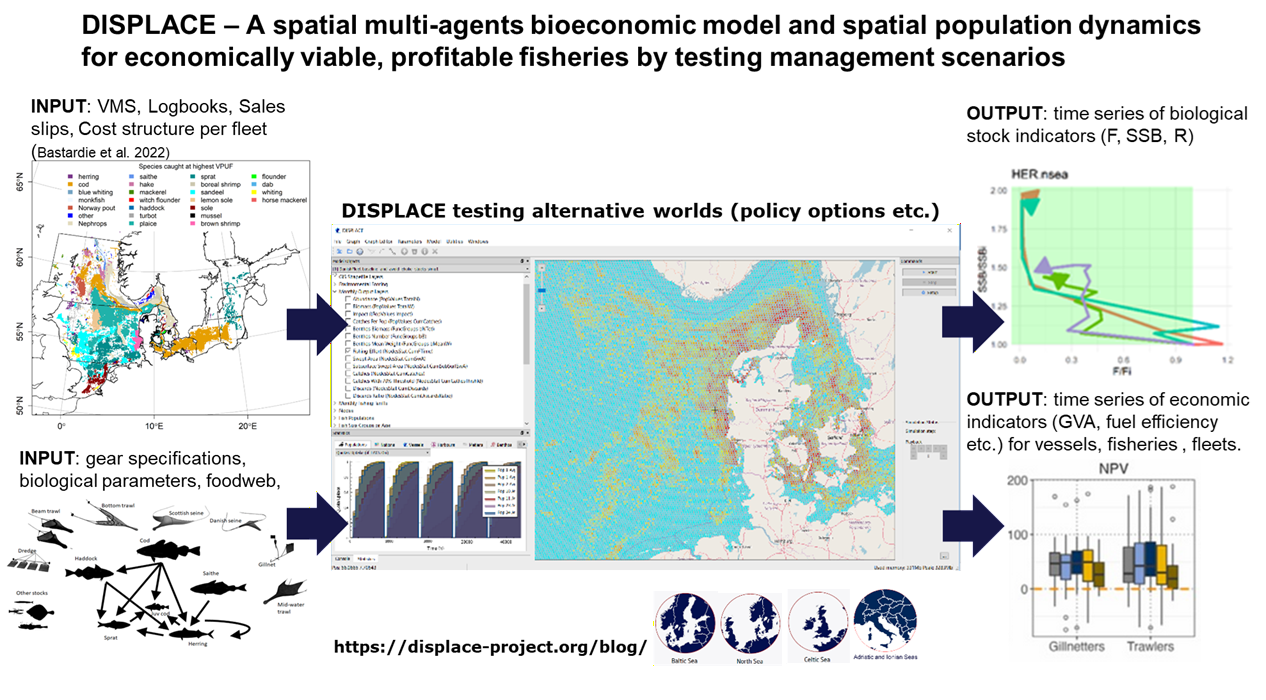
DISPLACE is a fisheries spatial ecosystem impact assessment tool that can be used to look at the consequences of fisheries and the benefits from managing them (including spatial fisheries closures) for a sustainable use and a viable economy of fisheries exploiting marine resources (fish, shellfish and marine invertebrates). The model simulates the fishing of individual vessels and their capacity to deploy their effort at fishing when constrained by spatial or temporal closures, other management, and including spatial restriction from other concurrent uses of the sea (fish farms, commercial shipping lanes, wind farm parks).

In this context, DISPLACE provides a basis for testing scenarios and projects the amount of income generated by national fishing fleets (or the economics of some finer segmentation such as fishing harbor communities) over months, quarters and years. We track aggregated economics and measure Income, Costs, Economic Indicators, Capital value, Profitability and development trends. DISPLACE is also a platform useful to compare fleet segments regarding their respective fuel efficiency and relative impacts by for example looking at the income issued from the sea for each unit of seabed area swept by the fishing gears.

(Disclaimer! Attached screenshots in this margin are very preliminary outcomes and should not be used to give any kind of advice neither to deduce any kind of productivity levels)